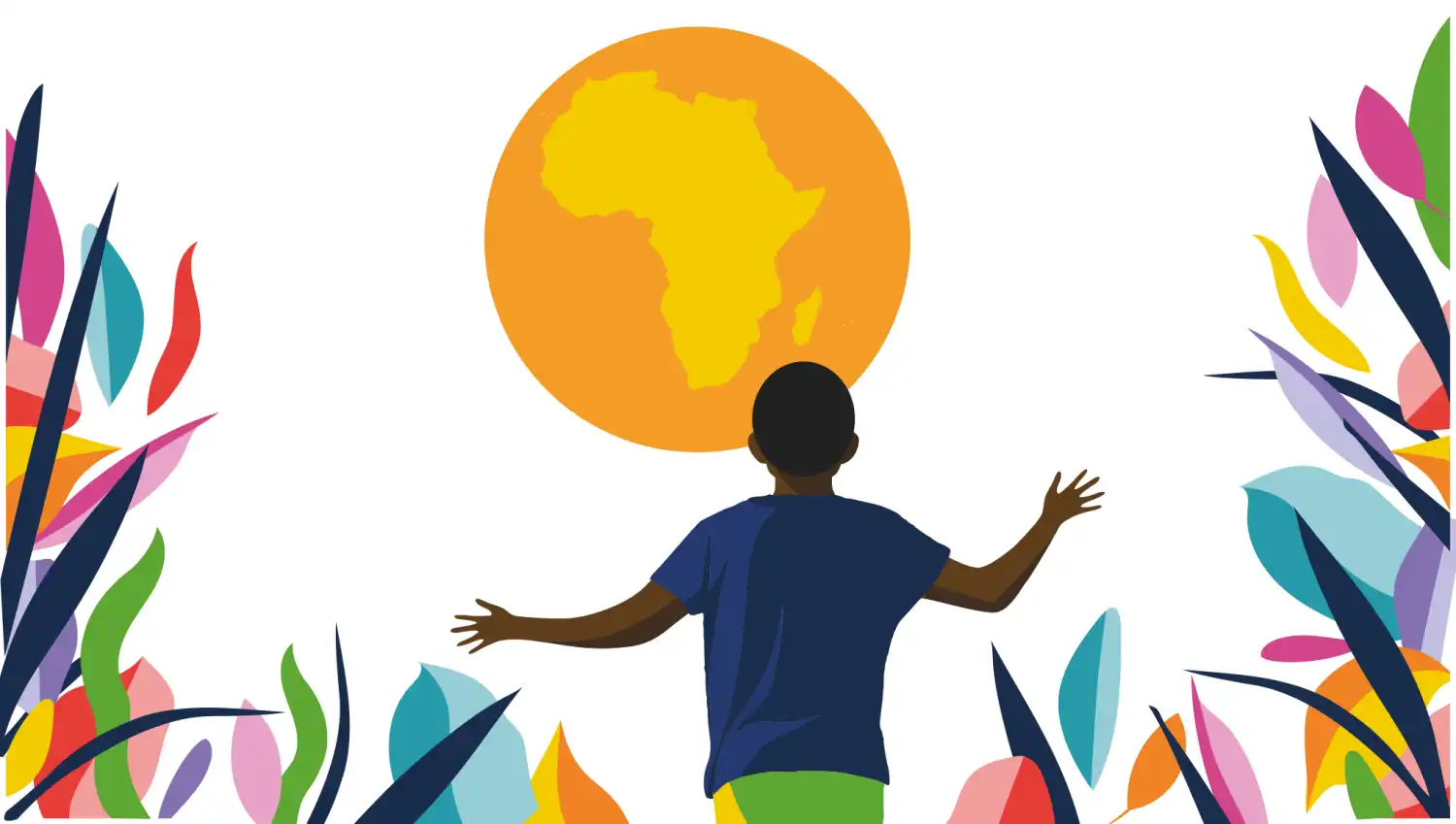
In recent years, the phrase Made in Africa has transcended its traditional confines of locality and emerged as a global phenomenon. This transformation is not merely a shift in economic activity but a profound cultural and social evolution. As the world becomes increasingly interconnected, Africa is stepping into the spotlight, showcasing its rich tapestry of resources, talent, and innovation. In this narrative, we explore how Africa's dynamic industries are reshaping global perceptions, fostering economic growth, and inspiring a new generation of entrepreneurs.
.jpg)
The journey of Made in Africa begins with its natural wealth. The continent is home to a vast array of natural resources, from minerals and precious metals to fertile agricultural lands. These resources have historically attracted international interest, often leading to exploitation and economic imbalances. However, in recent years, there has been a significant shift towards sustainable and equitable resource management. African nations are increasingly taking ownership of their natural assets, utilizing them to fuel local industries and create value-added products that compete on the global stage.
One notable example is the textile and fashion industry. African designers are gaining international acclaim for their unique designs that blend traditional aesthetics with contemporary flair. Brands such as Nigeria's Deola Sagoe and South Africa's Laduma Ngxokolo have captivated global audiences, earning spots in prestigious fashion weeks and retail spaces across the world. This rise of African fashion not only highlights the continent's creative potential but also underscores the growing importance of cultural authenticity in global markets.
.jpg)
In addition to fashion, the technology sector in Africa is experiencing a renaissance. Often referred to as the Silicon Savannah, cities like Nairobi and Lagos are becoming hubs of technological innovation. African tech entrepreneurs are creating solutions tailored to local challenges, which in turn attract international investors eager to tap into emerging markets. Companies like Kenya's M-Pesa have revolutionized mobile banking, setting a benchmark for financial inclusion globally. These technological advancements are not only transforming African societies but are also influencing global trends in digital innovation.
.jpg)
Another crucial aspect of the Made in Africa narrative is the burgeoning agriculture industry. With its vast arable land, Africa has the potential to become a key player in global food security. Initiatives aimed at modernizing agriculture through technology and sustainable practices are yielding significant results. By investing in local processing and value addition, African nations are moving beyond exporting raw commodities to producing finished goods that meet international standards. This shift is empowering local farmers and fostering economic resilience across the continent.
.jpg)
The cultural sector also plays a pivotal role in elevating the Made in Africa brand. From music and film to literature and art, African creatives are capturing the world's imagination. The Nigerian film industry, popularly known as Nollywood, has become a major player in global cinema, producing films that resonate with audiences far beyond Africa's borders. Similarly, African musicians are topping international charts, bringing the vibrant sounds of Afrobeats to a global audience. These cultural exports are not only diversifying global entertainment but are also challenging stereotypes and fostering a deeper appreciation of African identities.
.jpg)
Made in Africa is more than a label it is a movement that embodies the continent's potential and ambition. As African industries continue to innovate and expand, they are redefining global standards and perceptions. The world is taking notice, and the narrative is shifting from one of dependency to one of empowerment and partnership. Africa's time on the global stage has arrived, and its contributions are shaping the future of global commerce, culture, and technology. This is Africa's moment, and it is poised to leave an indelible mark on the world.
Read More on CYSTADS
We Were Here First: Africa as the Birthplace of Humanity
When Africa Was the Center of Global Trade
Fashionista — What Will It Take for African Fashion to Reach Its Global Potential?