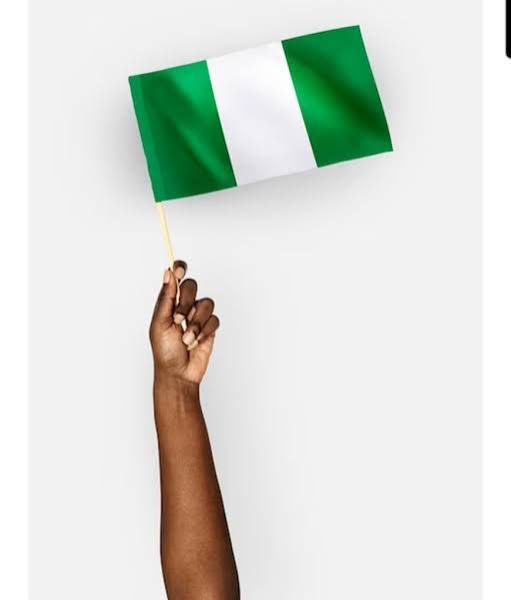
There is a singular, electric thrill that ripples through the consciousness of every Nigerian on the dawn of October 1, regardless of where they stand on the globe. It is a moment that stubbornly refuses to be reduced to a mere date on a calendar or a standard civic holiday. Instead, it exists as a profound, collective reclamation of identity, a symphony of ancient cultures and a fierce testament to the unyielding spirit of the African continent. This milestone, we call Nigeria Day, is a living, breathing monument built from ancestral sacrifices, a mirror reflecting our staggering unity in diversity, and a reminder of the day a resilient people decided to seize the reins of their own destiny permanently.
To trace the lineage of this freedom is to look into a mirror of cosmic complexity, understanding that the road to our sovereignty was not a gentle stroll, but a hard-fought battle against the chains of imperialism.
The Shadow of the Crown
Long before the artificial borders of the modern state were drawn, the soil of this vibrant land pulsed with the life of extraordinary ancient African civilizations, from the Kingdom of Nri to the Benin and Oyo Empires. However, the unrelenting machinery of European imperialism sought to rewrite this narrative. The encroachment began when European slave traders arrived in the 15th century, fundamentally disrupting older Trans-Saharan trade patterns and escalating ethnic conflicts.
The formal grip of colonialism tightened when British forces occupied Lagos in 1851, officially annexing it in 1865. The territory was initially governed under the Royal Niger Company before becoming a formal British protectorate in 1901. In 1914, for sheer administrative convenience, the British amalgamated the Northern and Southern Nigeria Protectorates with the Lagos Colony, creating the single entity we know today. The very name “Nigeria” was coined by a British journalist, Flora Shaw, taking inspiration from the Niger River that runs through the heart of the country. For decades, the wealth and labor of this vast land were siphoned off to fuel the British Empire, while the indigenous populations were sidelined in the governance of their own home.
The Crucible of Resistance
The narrative that independent Nigeria was simply handed over on a “golden platter” by a benevolent colonial administration is a historical illusion. In reality, the freedom we celebrate on Independence Day was violently contested and bravely won through decades of relentless struggle, strikes, and protests.
The interwar years saw a rapid awakening of national consciousness, but the true heat of the resistance boiled over in the 1940s. In 1945, a massive, successful general strike shook the very foundations of the colonial economy. Soon after, a nationwide campaign erupted against the restrictive 1946 Richards Constitution, which Nigerians recognized as an attempt by the British to divide and rule by artificial regionalization.
The most heart-wrenching catalyst for liberation occurred in November 1949, when colonial police opened fire on striking coal miners in Enugu, killing 21 workers in cold blood. This massacre sent shockwaves of outrage across the nation and the world. Nnamdi Azikiwe took this fury directly to the heart of the empire, delivering a blistering, historic speech at Trafalgar Square in London. He fiercely protested the shootings, asserting that Nigerians refused to be doomed as the serfs and peons of others, and boldly declared that the fire of freedom would not be extinguished until national emancipation was achieved.
The Architects of Freedom
The titans who wrestled Nigeria out of colonial grips were men and women of staggering intellect and unbending willpower. Herbert Macaulay, widely revered as the father of Nigerian nationalism, ignited the earliest political campaigns in Lagos and formed the Nigerian National Democratic Party in 1922. By 1944, Macaulay and Nnamdi Azikiwe co-founded the National Council of Nigeria and the Cameroons (NCNC), forging a powerful, country-wide nationalist movement.
Across the Niger and Benue rivers, other brilliant minds mobilized their people. Obafemi Awolowo transformed a Yoruba cultural association into the formidable Action Group in 1951, vehemently advocating for federalism and regional autonomy. In the north, Ahmadu Bello led the Northern People's Congress (NPC), while radical progressives like Aminu Kano of the Northern Elements Progressive Union (NEPU) and J.S. Tarka of the United Middle Belt Congress championed the rights of the peasantry and minority groups.
The legislative battle for freedom was a grueling marathon. In 1953, Anthony Enahoro boldly moved the very first motion for Nigeria's independence. The motion suffered bitter setbacks and caused dramatic walkouts in parliament by northern members who felt the timeline was premature, exposing the deep ethnic and regional fractures planted by British administration. Yet, the flame was lit. S.L. Akintola bravely revisited the motion in 1957, and Remi Fani-Kayode pushed it again in 1958. Finally, sustained political pressure culminated in 1959 when Sir Abubakar Tafawa Balewa proposed the definitive motion that forced the British government to officially concede independence.
The Midnight of Liberation
The climax of this epic journey arrived on the eve of October 1, 1960. The formal transfer of power took place shortly before midnight at the Lagos Race Course, now immortalized as Tafawa Balewa Square. A subdued but deeply emotional crowd gathered to watch the ultimate symbol of colonial subjugation, the British Union Jack, be lowered into the dark, replaced by the ascent of Nigeria's glorious green-white-green flag.
Princess Alexandra of Kent, representing the British Crown, officially handed over the constitutional instruments of sovereignty. Sir Abubakar Tafawa Balewa, now the Prime Minister of a free nation, delivered a soaring inaugural address, dedicating his life to the service of the country and declaring that Nigeria now stood well-built upon firm foundations.
The euphoric, infectious brass and guitar melodies of Highlife music soundtracked the birth of the nation. Legends like Victor Olaiya, Bobby Benson, and Rex Lawson played at grand state balls, their music floating across Lagos in multiple indigenous languages, capturing the sweet, intoxicating taste of absolute liberty.
Echoes of a Sovereign Nation
While the joy of independence was boundless, the ensuing decades proved that maintaining a nation is far more complex than birthing one. The inherited regional divides, educational inequalities, and ethnic competitiveness eventually erupted into political breakdowns, the tragic assassination of Prime Minister Balewa in 1966, and a devastating three-year civil war.
Yet, the spirit forged during the nationalist struggles refused to die. The country weathered decades of intermittent military rule before triumphantly returning to democracy. Today, the observance of Nigeria's independence remains a crucial civic anchor. State governments organize parades, the President delivers national broadcasts to address current challenges, and the vibrant Nigerian diaspora paints cities from New York to London in strokes of green and white.
As we reflect on this monumental journey, we must remember that the sovereignty we celebrate was purchased with the courage of striking miners, the ink of visionary journalists, and the fearless voices of nationalists who dared to look an empire in the eye and demand their homeland back.